
Introduction
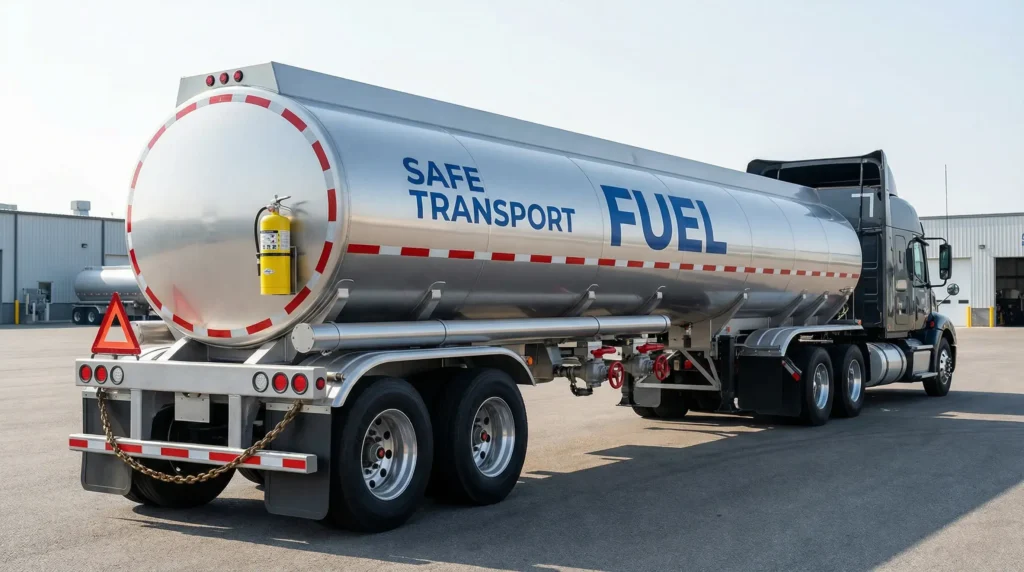
Tank trailers are specialized vehicles designed for the safe and efficient transportation of liquids and gases. From petroleum and chemicals to liquid food products, tank trailers play a critical role in industries that require reliable, compliant, and high-capacity transport solutions.
Choosing the right tank trailer is essential for businesses that prioritize safety, regulatory compliance, and operational efficiency. This guide explores the industries that benefit most from tank trailers, the key considerations for selecting the right trailer, and insights into the most suitable customer profiles.
Why Tank Trailers Are Essential
Tank trailers are uniquely built to transport liquids or gases safely, making them indispensable for businesses in energy, chemical, and food industries. Key advantages include:
-
Specialized Design: Cylindrical tanks with reinforced structures to withstand pressure and movement of liquids.
-
Safety Compliance: Built to meet strict federal and international safety standards for hazardous materials.
-
High Capacity: Capable of transporting thousands of gallons of liquid in a single trip.
-
Versatility: Suitable for fuels, chemicals, industrial gases, and liquid foods.
Who Should Use Tank Trailers?
Tank trailers are ideal for businesses with high-value, high-risk, or specialized liquid transport needs. Below is a detailed customer profile analysis.
1. Oil Companies and Fuel Distributors
Applications: Transportation of gasoline, diesel, crude oil, and other petroleum products.
Challenges: Safety risks, flammability, regulatory compliance.
Trailer Requirements:
-
Reinforced tank structure
-
Pressure relief valves and safety mechanisms
-
Compliance with DOT/ADR regulations
Decision Factors: Safety and compliance take priority over price.
Sales Insight: Long-term contracts, high single-unit value, repeat business driven by fuel supply cycles.
2. Chemical Manufacturers
Applications: Transport of industrial chemicals, acids, and hazardous liquids.
Challenges: Risk of leakage or contamination, compliance with hazardous material regulations.
Trailer Requirements:
-
Corrosion-resistant materials (stainless steel or coated tanks)
-
Secure sealing and valve systems
-
Certification for hazardous material transport
Decision Factors: Tank material, safety certifications, and compliance with local and international standards.
Sales Insight: Customization needs are high, purchase cycles align with production schedules, long-term partnerships preferred.
3. Liquid Food and Beverage Companies
Applications: Transport of milk, edible oils, juices, and other liquid food products.
Challenges: Hygiene, temperature control (for perishable liquids), contamination prevention.
Trailer Requirements:
-
Food-grade stainless steel tanks
-
Sanitary fittings and smooth interior surfaces
-
Optional temperature-controlled systems
Decision Factors: Food safety certifications, hygiene, and trailer reliability.
Sales Insight: Medium to long-term repeat orders, strong preference for certified suppliers.
How to Choose the Right Tank Trailer
When selecting a tank trailer, businesses should consider the following factors:
-
Material: Stainless steel, aluminum, or coated steel depending on the cargo type.
-
Capacity: Match tank size to your operational needs (e.g., 5,000–10,000 gallons).
-
Safety Features: Pressure relief valves, emergency shut-off valves, grounding equipment.
-
Compliance & Certification: Ensure adherence to DOT, ADR, or other local regulations.
-
Maintenance & After-Sales Support: Access to spare parts, inspection, and maintenance services.
Benefits of Investing in a Tank Trailer
-
Enhanced Safety: Designed specifically for liquid and gas transport, reducing spill risks.
-
Regulatory Compliance: Adheres to stringent industry and government standards.
-
Operational Efficiency: Large-capacity transport reduces the number of trips required.
-
Industry Versatility: Useful for fuels, chemicals, industrial gases, and liquid foods, making it a high-return investment.
Conclusion
Tank trailers are vital for businesses involved in transporting liquids and gases safely and efficiently. By understanding your industry requirements, cargo type, and regulatory obligations, you can select the right tank trailer to improve efficiency, minimize risks, and maximize profitability.
For technical selection guidance, see our detailed guide on choosing tank trailers for hazardous waste liquids.
通告: How to Choose the Right Tank Trailer for Hazardous Waste Liquid Transport – Trailer experts from China