
Introduction
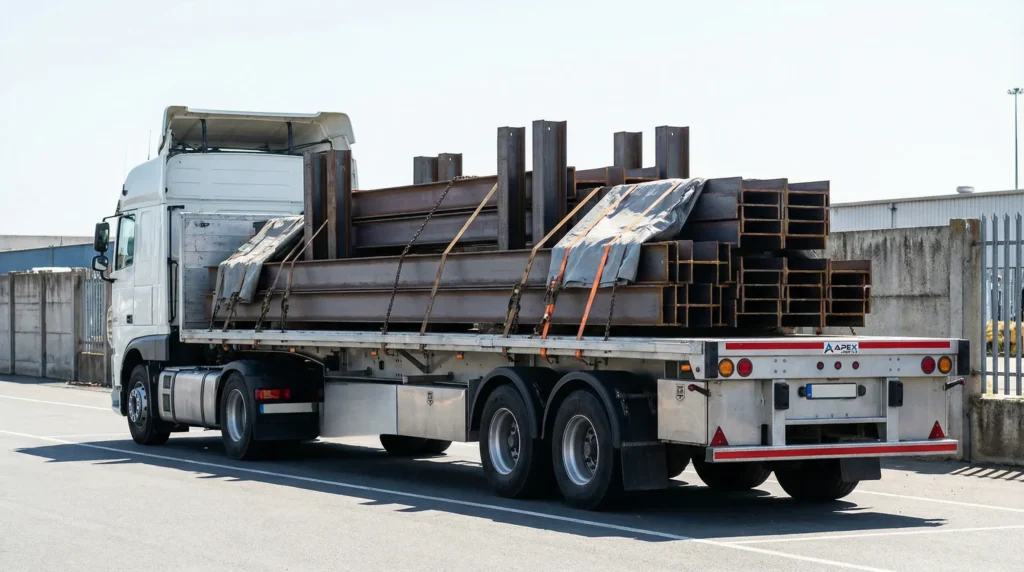
Flatbed trailers are one of the most versatile and essential tools in modern logistics and construction industries. Whether you are transporting steel beams, industrial machinery, or oversized construction materials, a reliable flatbed trailer ensures your cargo reaches its destination safely and efficiently.
Choosing the right flatbed trailer is crucial for businesses that depend on timely deliveries, high load capacity, and flexible cargo handling. This guide will help you identify the industries and businesses that benefit most from flatbed trailers and provide tips on selecting the perfect trailer for your operations.
Why Flatbed Trailers Are Essential
Flatbed trailers offer several advantages that make them indispensable for many industries:
-
High Load Capacity: Flatbed trailers are capable of transporting heavy and oversized cargo that does not fit into standard enclosed trailers.
-
Flexible Loading and Unloading: With no fixed sides or roof, loading cargo from any direction is easier and faster, saving time on each trip.
-
Industry Versatility: From construction and manufacturing to energy and industrial services, flatbed trailers serve a wide range of applications.
Who Should Use Flatbed Trailers?
Flatbed trailers are particularly suited for businesses with heavy, oversized, or irregular cargo. Let’s break down the top four types of businesses that benefit most from flatbed trailers.
1. Large Construction Contractors
Typical Cargo: Steel beams, concrete forms, pre-fabricated components
Challenges: Frequent loading/unloading, varying cargo sizes, on-site maneuvering
Trailer Needs: High load capacity (40–60 tons), durable frames, optional extensions or removable side rails
Buying Priorities: Reliability, customization options, after-sales support
Sales Insight: Project-driven purchases, usually multiple trailers at a time, high repeat orders
2. Steel and Building Material Suppliers
Typical Cargo: Steel coils, rebar, beams, pre-cut lumber
Challenges: High-frequency heavy loads, wear on trailer floors and frames
Trailer Needs: Reinforced beams, durable deck, standard configurations for efficiency
Buying Priorities: Cost-effectiveness, long-term durability, low maintenance
Sales Insight: Stable orders, large volume, price-sensitive but quality-conscious
3. Equipment Rental and Industrial Machinery Service Companies
Typical Cargo: Excavators, loaders, industrial machinery
Challenges: Variable equipment sizes, heavy loads, strict safety requirements
Trailer Needs: Multiple tie-down points, low center of gravity, anti-slip decking
Buying Priorities: Safety, compliance with transportation regulations, durability
Sales Insight: High-value units, customized requirements, fast purchasing decisions
4. Industrial Manufacturing Companies
Typical Cargo: Large industrial equipment, generators, transformers
Challenges: High-value single units, oversized or unusually shaped cargo
Trailer Needs: Custom dimensions, strong frames, regulatory compliance for transport
Buying Priorities: Stability, reliability, ability to handle project-specific cargo
Sales Insight: Long-term contracts, brand-focused clients, high trust required
How to Choose the Right Flatbed Trailer
When selecting a flatbed trailer, consider these critical factors:
-
Load Capacity: Choose a trailer rated for your typical cargo weight (commonly 40–60 tons).
-
Dimensions and Extendability: Ensure the trailer can handle your longest or widest loads.
-
Durability: Look for reinforced beams, anti-slip decks, and torsion-resistant frames.
-
Safety and Compliance: Verify that tie-down points, brakes, and lighting meet local regulations.
-
After-Sales Support: Access to spare parts, maintenance, and repair services is crucial for minimizing downtime.
Benefits of Investing in a Flatbed Trailer
-
Improved Efficiency: Faster loading and unloading reduces turnaround time.
-
Reduced Risk: Properly designed trailers prevent damage to cargo and equipment.
-
Cost Savings: Durable trailers with low maintenance reduce long-term operational costs.
-
Versatility: Adaptable for multiple industries and cargo types, making it a high-ROI investment.
Conclusion
Flatbed trailers are an essential investment for businesses that handle oversized, heavy, or irregular cargo. By understanding your business needs and choosing a trailer that aligns with your industry requirements, you can increase efficiency, reduce transportation risks, and maximize profitability.
Call to Action:
-
“Contact us today to find the perfect flatbed trailer for your business.”
-
“Download our free guide to flatbed trailer specifications and industry applications.”